Five TDs Units & Roster Hub
Rarities, summons, feeding, evolution, and trading—everything that powers your Five Nights TD 2 defense.
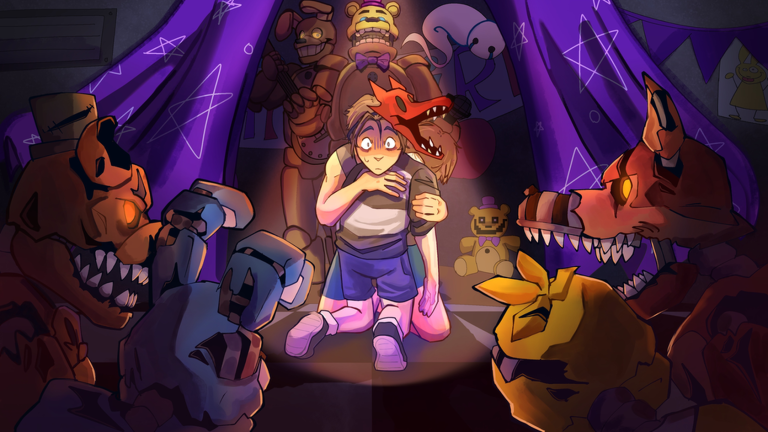
The Units Hub is your roster home for Roblox Five Nights TD 2 (FNTD 2) by Hyper TD. Whether you are clearing story nights, pushing Endless, or prepping PvP, every defense starts with understanding how units are obtained, ranked, fed, evolved, and traded. Use this page as the map, then dive into the full roster overview, the trading values mindset, the live tier list, and the getting started walkthrough when you need a day-one path.
Why units matter more than raw Tokens
Tokens buy summons, but summons alone do not win nights. Placement cost, role (starter, DPS, support, farm), element synergies, traits, and upgrade timing decide whether a Mythic sits unused or carries wave 100. Treat your inventory like a toolbox: keep cheap starters for early cash curves, keep at least one economy option for long modes, and invest XP into units that match your current banner and story chapter—not every shiny you pull.
Rarity ladder (Common through Secret, Nightmare, and Apex)
FNTD 2 organizes units across a clear rarity ladder. Lower bands—Uncommon, Rare, Epic, and Mythic—fill early slots and merchant purchases. Secret units sit above Mythic and define much of mid-game power. Nightmare units are the next leap for boss damage and late Endless. Apex sits at the extreme end of summon odds and event banners. Separate tracks also cover Exclusive event or shop units, Hero characters (often non-tradable), and Evolved forms that consume base units plus crafting materials. Knowing which band a unit lives in helps you set pity expectations, trade offers, and whether a pull is fodder, a keeper, or a trade chip.
Approximate standard banner odds (subject to season changes) put Uncommon near half of pulls, Rare around thirty percent, Epic in the high teens, Mythic near two percent, Secret around a quarter of a percent, Nightmare far rarer, and Apex rarer still. Featured units rotate on a timer, so check the current banner before dumping a large Token stack.
Summoning with Tokens
Summoning spends Tokens for roster rolls. A single summon typically costs 100 Tokens; a ten-pull is usually 900 Tokens (a small bulk discount). Players with Quick Open can roll larger batches at once. Banner featured units change periodically—often hourly—so if you are hunting a specific Secret or Nightmare, wait for it to appear rather than forcing off-banner pity.
Pity systems protect long dry streaks: if you go hundreds of summons without a Secret, Secret pity can guarantee the current summonable Secret; Nightmare pity sits much higher (commonly around 1,500 summons). Track your pity mentally or with a note so you do not waste a soft guarantee on a unit you will immediately trade away.
Event banners often use event currency instead of Tokens and may change rates or remove Secret pity—read the event UI before spending seasonal currency.
Feeding, XP, and power spikes
Units grow through feeding with food items and match XP. Higher levels raise damage, range, or ability strength and make later upgrades cheaper relative to wave income. Prioritize feeding:
- Your main story DPS and starter that clears early nights.
- Supports you actually place every run (Endo-style buffers, control units).
- Farm units you use in Endless (notably Fazcade).
Avoid spreading XP across every Uncommon. Duplicate low-rarity pulls are better as food, craft fodder, or trade bulk than as half-leveled shelf pieces.
Evolution and shiny variants
Evolution turns selected base units into stronger Evolved forms using materials such as Agony, Springs, Batteries, Clocks, Souls, and recipe-specific items. Always open the evolution recipe first: some lines need shiny copies, element-matched fodder, or locked-unit rules. Farm the scarcest material first so you do not stockpile commons while waiting on one rare drop.
Shiny variants are rare alternate looks (often around a 2% chance on obtain for non-Hero units, improved with Shiny Hunter). Shinies usually keep the same combat role but command a large trade premium. Heroes are commonly excluded from shiny rolls and trading. Do not feed a shiny by mistake—lock valuable copies before mass feeding sessions.
Elements, traits, and team identity
Many units carry elements (for example water, dark, or seasonal tags) that interact with enchants, evolutions, and mode modifiers. Build around one or two synergies rather than a random rainbow of elements. Traits rolled on units further specialize them: DPS traits for carry towers, range-scaling traits for boosters, and economy traits for farm units like Fazcade. Re-roll or hold enchants with your Faz-Rating and weekly quest plan in mind—rare enchant rolls can also contribute rating milestones.
How to use this hub
- Browse roles and iconic picks on the Units roster page.
- Learn demand, shiny premiums, and scam avoidance on Trading.
- Cross-check current meta rankings on the Tier List Hub.
- Follow a clean onboarding path in Getting Started.
Keep this hub bookmarked as Hyper TD ships new seasons, bi-weekly exclusives, and Apex banners—rarities and featured units change, but the progression loop of summon → feed → evolve → trade stays the spine of Five Nights TD 2.
Frequently Asked Questions
Quick answers for Five TDs players on Roblox.
What rarities exist in Five Nights TD 2?
Units span Uncommon, Rare, Epic, Mythic, Secret, Nightmare, Exclusive, Apex, Hero, and Evolved bands. Secrets and above drive most mid-to-late power; Apex and limited exclusives sit at the top of summon odds and trade value.
How much do summons cost?
A single Token summon is typically 100 Tokens, and a ten-pull is usually 900 Tokens. Quick Open enables larger multi-summons. Event banners may spend seasonal currency instead.
What is pity in FNTD 2 summoning?
Secret pity commonly guarantees a summonable Secret after a long dry streak (often around 500 summons). Nightmare pity is much higher—around 1,500 summons. Featured units still rotate, so time big pulls with the banner you want.
Should I feed every unit I own?
No. Focus XP on your active starter, main DPS, key supports, and Endless farm units. Use surplus low-rarity copies as food or craft fodder, and lock shinies before mass feeding.
Where should I go after reading this hub?
Open the Units roster for role breakdowns, Trading for value mindset and safety tips, the Tier List for current rankings, and Getting Started if you are still unlocking basic loops.